What is semaglutide and how does it work for weight loss?
Published 12 September 2025 · Updated 20 August 2026

Semaglutide is a medicine that mimics GLP-1, a natural gut hormone, to reduce appetite, slow digestion and steady blood sugar. For weight loss it produced an average 14.9% reduction in body weight over 68 weeks in its main trial, against 2.4% with placebo. Individual results vary.
It is the active ingredient behind some of the best-known medicine brands in the world. In South Africa, two semaglutide injections are on pharmacy shelves, while the tablet forms remain overseas for now.
This guide explains how the molecule works, what the trials show, which forms are available in South Africa, what shapes the cost, and the safety questions a doctor works through before confirming treatment.
What is semaglutide?
Semaglutide is a GLP-1 receptor agonist: a lab-made molecule shaped to act like glucagon-like peptide-1, a hormone your gut releases after you eat. Novo Nordisk developed it for type 2 diabetes, and it was first approved in the US in 2017.
Researchers then noticed a consistent effect: people taking it lost meaningful weight. That led to dedicated obesity trials, and in 2021 a higher-dose version was approved specifically for weight management.
Because the molecule is engineered to break down slowly, one injection keeps working for about a week. That is why the injectable forms are weekly rather than daily, which most people find easy to live with.
Semaglutide marked a step change from older weight-loss medicines. Earlier options typically produced 3% to 8% average weight loss and several were withdrawn over safety problems. A medicine producing double-digit average loss, with large safety trials behind it, is why GLP-1 treatment has moved into mainstream medical care.
How does semaglutide work for weight loss?
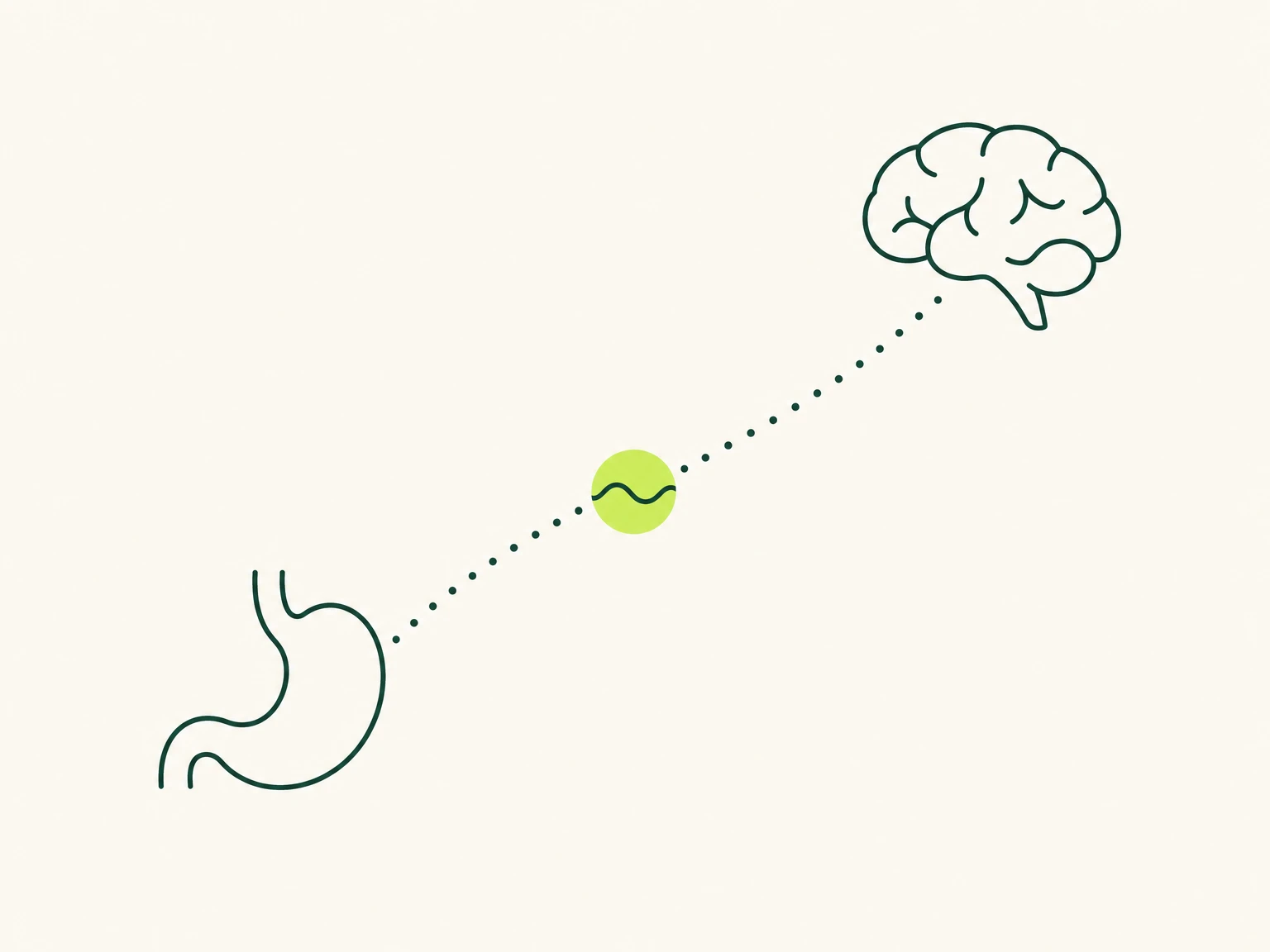
Semaglutide works on three fronts. In the brain, it acts on appetite centres in the hypothalamus so you feel satisfied with less food, and many people report that the constant food chatter in their head goes quiet. In the stomach, it slows emptying, so a normal meal keeps you full for hours longer than before.
Third, it improves blood sugar control by prompting insulin release only when glucose is high and by dialling down glucagon. This effect is glucose-dependent, which is why the medicine on its own rarely causes low blood sugar.
The result is that eating less stops feeling like a fight. The medicine does not burn fat directly; it makes a lower calorie intake sustainable, which is why trials always pair it with diet and activity changes.
Which medicines contain semaglutide?
Four brands carry semaglutide, at different doses and for different registered purposes. Ozempic and Rybelsus are registered for type 2 diabetes, while Wegovy and the newer Wegovy tablet are registered for weight management. In South Africa the injections lead the story; the tablet forms are unlaunched or unregistered here.
| Brand | Form | Registered for | South Africa status |
|---|---|---|---|
| Ozempic | Weekly injection, up to 1 mg locally | Type 2 diabetes | Registered and sold |
| Wegovy | Weekly injection, up to 2.4 mg | Weight management | Registered, launched August 2025 |
| Rybelsus | Daily tablet, 3 to 14 mg | Type 2 diabetes | Registered in 2024, not yet launched |
| Wegovy pill | Daily tablet, 25 mg | Weight management | Not registered; launched overseas from January 2026 |
For weight loss in South Africa, the registered semaglutide option is Wegovy, which arrived here in August 2025.
How much weight can you lose on semaglutide?
The benchmark is the STEP 1 trial: 1,961 adults with obesity or overweight plus a weight-related condition took semaglutide 2.4 mg weekly or placebo for 68 weeks, alongside diet and activity support. The treatment group lost 14.9% of body weight on average versus 2.4% with placebo. Individual results vary.
Within that average, about 86% of participants lost at least 5% of their body weight and roughly one in three lost 20% or more. Weight loss built steadily through the first year before levelling off.
Averages hide a spread. Some people respond strongly, a minority lose little, and nobody can predict an individual's curve in advance. Doctors usually review progress after several months at a therapeutic dose and reassess the plan if the response is weak.
Semaglutide also has heart data behind it. The SELECT trial found a 20% reduction in major cardiovascular events among adults with overweight or obesity and existing cardiovascular disease, which shifted how seriously medicine treats obesity as a health condition.
Is semaglutide available in South Africa?
Yes. Semaglutide is available in South Africa as Ozempic, registered for type 2 diabetes, and Wegovy, registered for chronic weight management. Both are Schedule 4 medicines: a doctor must assess you and confirm a treatment plan before a licensed pharmacy can dispense either.
Registered pharmacies across the country stock the pens, from Dischem and Clicks to independent and courier pharmacies. Stock of specific dose strengths varies from branch to branch, so the dispensing pharmacy confirms what is on the shelf, and no pharmacy may hand a pen over without that doctor's authorisation.
Demand has brought a shadow market with it. SAHPRA has warned about falsified semaglutide pens and unregistered "semaglutide" vials, drops and capsules sold through social media and beauty clinics. None of these are registered medicines, and testing has found some contain no semaglutide at all.
Spotting the fakes is straightforward once you know the rule: registered semaglutide in South Africa comes only as a branded pen from a licensed pharmacy, after a doctor's authorisation. Anything sold without those two steps, whatever the packaging claims, falls outside the regulated system.
The safe route is unglamorous: a doctor's assessment, then a registered product from a licensed pharmacy. HPCSA rules allow the assessment to happen online, so the process works the same whether you sit in Sandton or Springbok.
Which semaglutide injections are available in South Africa?
Two semaglutide injections are available in South Africa: Ozempic, dosed up to 1 mg a week for type 2 diabetes, and Wegovy, dosed from 0.25 mg up to 2.4 mg a week for weight management. Both are pre-filled pens injected under the skin once a week.
Treatment starts at the lowest strength and steps up gradually over several months as the body adapts. Each Wegovy pen covers four weekly doses, so one pen is roughly a month, and a doctor can hold a lower dose where results and side effects balance well there.
The practical side is simpler than most people expect. Pens live in the fridge until first use, the needle is short and fine, and the dose goes into the stomach, thigh or upper arm. Our guide to injecting GLP-1 medicines covers technique, timing and travel step by step.
Most people settle on a fixed injection day and keep it, since a steady weekly rhythm keeps the hormone level even. If side effects flare after a step up, a doctor can hold the dose a little longer before moving on, and a missed dose is a question for the pharmacist or doctor rather than a guess.
Are semaglutide tablets available in South Africa?
Not yet. No semaglutide tablet is sold in South Africa. Rybelsus, the daily diabetes tablet, was registered by SAHPRA in 2024 but has not been launched, and the 25 mg weight-management tablet approved in the United States in December 2025 is not registered here at all.
The tablet story is moving quickly overseas. The Wegovy pill launched in the United States in January 2026 and has since been approved and gone on sale in several other countries. Each approval grows the dossier a manufacturer can bring to SAHPRA, but no South African submission or timeline has been announced.
Anything sold locally as semaglutide tablets, capsules or drops for weight loss is therefore not a registered medicine, and SAHPRA's warnings above apply to it in full. The tablet trial results and the local outlook are covered in our guide to the Wegovy pill and oral semaglutide.
What does semaglutide cost in South Africa?
Three things set the price: the regulated Single Exit Price of the product, the dose strength you are on, and the pharmacy's dispensing fee. South Africa gives every medicine one national price, so the same pen costs much the same at every pharmacy, and higher strengths cost more.
The direction has been downward. Reuters reported in March 2026 that Novo Nordisk had cut Wegovy's South African price for the second time since launch, with the lowest dose falling from R3,090 to R1,873 and the highest dose dropping 27% to R3,746. We do not sell medicine. Prices vary by pharmacy and dose; confirm with your pharmacy.
Medical aid rarely changes the sum for weight management. Obesity is not a Prescribed Minimum Benefit condition, so most schemes exclude weight-loss medicine from standard cover, though some fund the diabetes-registered products under chronic benefits, and scheme rules are shifting.
More pressure is building. SAHPRA approved South Africa's first generic semaglutide, from Sun Pharma, in July 2026, registered for type 2 diabetes, and the molecule's main patent expires in 2027, after which more entrants are expected. How the regulated system works, and what a realistic budget includes beyond the medicine, is unpacked in how the Wegovy price in South Africa is set.
What are the side effects of semaglutide?
The common side effects are digestive: nausea, vomiting, diarrhoea, constipation and stomach discomfort. They cluster around the early weeks and dose increases, and for most people they are mild to moderate and fade as the body adapts. Practical fixes, from smaller meals to slower dose steps, are covered in our guide to managing GLP-1 side effects.
Less common but serious risks include pancreatitis and gallbladder problems. Severe, persistent stomach pain, with or without vomiting, needs attention: seek medical care immediately. People using insulin or sulfonylureas alongside it can experience low blood sugar and need doctor supervision of those doses.
Semaglutide is not for everyone. It should not be used in pregnancy or while breastfeeding, by anyone with a personal or family history of medullary thyroid cancer or MEN2, or without careful review after previous pancreatitis. Screening for all of this is exactly what the doctor assessment is for.
Who is semaglutide treatment for?
The weight-management registration covers adults with a BMI of 30 or more, or 27 or more with at least one weight-related condition such as hypertension, sleep apnoea or high cholesterol. A doctor also weighs your medication list, medical history and goals before confirming whether treatment fits.
Obesity behaves like a chronic condition: biology defends stored weight, which is why willpower-only attempts so often unwind. Treatment is therefore planned long term, with reviews, rather than as a quick course. Our obesity page explains that biology and what it changes about treatment.
It is equally worth naming who it is not for: anyone chasing a few kilograms for an event, anyone pregnant or planning pregnancy soon, and anyone unwilling to change eating patterns at all. The medicine amplifies good groundwork; it does not replace it.
What happens if you stop taking semaglutide?
Appetite returns, and weight tends to follow. In the STEP 1 extension study, participants who stopped treatment regained about two thirds of their lost weight within a year. The hormone signal disappears when the injections stop, and the body pushes back towards its previous weight.
That pattern describes the condition more than the medicine. Semaglutide manages the biology of obesity while it is taken; it does not rewire it permanently, which is why doctors plan treatment long term rather than as a short course.
Stopping is a decision to take with your doctor rather than alone. Some people hold a lower maintenance dose; others step off completely with a plan for food, activity and follow-up. What that review rhythm looks like in practice is described in what to expect from treatment.
How does semaglutide compare with other weight-loss medicines?
Semaglutide is not the only registered option. Tirzepatide, sold as Mounjaro, acts on two hormone receptors rather than one, and liraglutide, sold as Saxenda, is an older molecule injected daily rather than weekly. All three are Schedule 4 medicines used alongside diet and activity changes, under doctor supervision.
The one head-to-head trial, SURMOUNT-5, found tirzepatide averaged 20.2% weight loss over 72 weeks against 13.7% for semaglutide, with gastrointestinal complaints the most common issue in both groups and mostly mild to moderate. Individual results vary, and some people lose more on semaglutide.
Liraglutide's main trial averaged about 8% weight loss over 56 weeks, more modest than the weekly medicines, though it still suits some people. Semaglutide's counterweight is its record: years of use across diabetes and weight management, plus the SELECT heart data described earlier.
Averages do not choose a medicine. Tolerability, medical history, availability of specific strengths and monthly cost all count, and the trade-offs sit side by side in our semaglutide vs tirzepatide comparison. The right option is decided by a doctor on assessment.
Frequently asked questions
Is semaglutide the same as Ozempic?
Semaglutide is the active ingredient; Ozempic is one brand of it, registered for type 2 diabetes. Wegovy contains the same molecule at a higher dose for weight management.
How quickly does semaglutide start working?
Appetite effects usually appear within the first two to four weeks at the starting dose. Meaningful weight change typically shows over two to three months as doses step up, and trial results were measured at 68 weeks.
Is semaglutide insulin?
No. Semaglutide is a GLP-1 receptor agonist, not insulin. It prompts the pancreas to release insulin only when blood sugar is high, which is why it rarely causes low blood sugar on its own.
Do you need a doctor's authorisation for semaglutide in South Africa?
Yes. Semaglutide is a Schedule 4 medicine, so a licensed pharmacy may only dispense it after a doctor has assessed you and confirmed a treatment plan. The assessment can lawfully happen online.
Is compounded semaglutide safe?
No registered compounded semaglutide exists in South Africa. SAHPRA warns that such products have unverified contents, and some tested samples contained no semaglutide at all.
Can you use semaglutide while pregnant or breastfeeding?
No. Semaglutide should not be used in pregnancy or while breastfeeding, and anyone planning a pregnancy should discuss timing with a doctor before starting or continuing treatment.
How long do people stay on semaglutide?
Usually for the long term, with regular doctor reviews. Obesity behaves like a chronic condition, so treatment is planned in months and years rather than weeks, and short courses rarely hold their results.
What BMI qualifies for semaglutide treatment?
A BMI of 30 or more, or 27 or more with a weight-related condition such as high blood pressure or sleep apnoea, is the registered threshold for adults. A doctor still assesses overall fit before confirming a plan.
Sources
- NEJM: STEP 1 trial, once-weekly semaglutide in adults with overweight or obesity
- NEJM: SELECT trial, semaglutide and cardiovascular outcomes in obesity without diabetes
- NEJM: SURMOUNT-5, tirzepatide as compared with semaglutide for the treatment of obesity
- SAHPRA: Semaglutide FAQs and safety warnings
- Reuters: Novo Nordisk cuts Wegovy price in South Africa for a second time
- Reuters: Sun Pharma wins South Africa approval to launch generic semaglutide (July 2026)
This article is general information, not personal medical advice. Treatment decisions are made by a registered doctor on assessment. Individual results vary.