How much does Mounjaro cost in South Africa?
Published 14 April 2026 · Updated 17 July 2026

What does Mounjaro actually cost in South Africa, and why does the figure change over the course of treatment? The short answer: the price is regulated nationally, it rises as the dose steps up, and one KwikPen holds four weekly doses, so a pen covers roughly a month. The published 2026 figures, by strength, are set out in the price breakdown below.
We do not sell medicine. The numbers in this article are market information drawn from published South African price data; prices vary by pharmacy and dose, so confirm the current figure with your pharmacy. Any prescription medicine is prescribed by a doctor after a clinical assessment and dispensed by a licensed pharmacy at that pharmacy's price.
Below is the full picture: what each presentation costs, why the price moves with your dose, how the Single Exit Price system controls the number, what medical aid does and does not cover, and the costs beyond the medicine itself. Cost is only one input into a treatment decision; Mounjaro carries real side effects and exclusions, and a doctor weighs those with you before price ever matters.
How much is Mounjaro per month in South Africa?
Published 2026 prices put a month of the medicine alone between about R3,600 and R8,200, depending on where a patient is in the dose schedule. Lower starting doses sit at the bottom of that range and the 15 mg maximum dose at the top.
| Presentation | Reported price | What it covers |
|---|---|---|
| Single-dose vial, 2.5 mg or 5 mg | About R880 per vial | One weekly dose |
| Single-dose vial, 7.5 mg or 10 mg | About R1,140 per vial | One weekly dose |
| KwikPen, 2.5 mg to 15 mg | roughly R3,600 to R8,200 per pen | Four weekly doses |
Vial prices were reported at the December 2024 launch and the KwikPen range reflects retail price lists published in 2026 and is rounded. Prices vary by pharmacy and dose; confirm with your pharmacy.
For context, published monthly costs across the whole class of weight loss injections in South Africa mostly land between R3,000 and R6,000 in 2026. Mounjaro overlaps that band at lower strengths and exceeds it at the top of the schedule.
What drives the Mounjaro price in South Africa?
Three things: the regulated medicine price, your dose, and the pharmacy's dispensing fee. South Africa controls private-sector medicine prices through the Single Exit Price system, so the medicine itself costs the same at every pharmacy. Pharmacies then add a regulated dispensing fee, which is where small differences between chains come from.
Dose is the biggest variable you control the least. Everyone starts at 2.5 mg weekly, and the dose steps up gradually over months. Each step up moves you into a higher-priced pen.
There is no generic tirzepatide. Mounjaro is a patented originator medicine, which keeps the price high relative to older weight loss medicines. How each of these three levers works is unpacked in the next two sections.
How does the Single Exit Price system work?
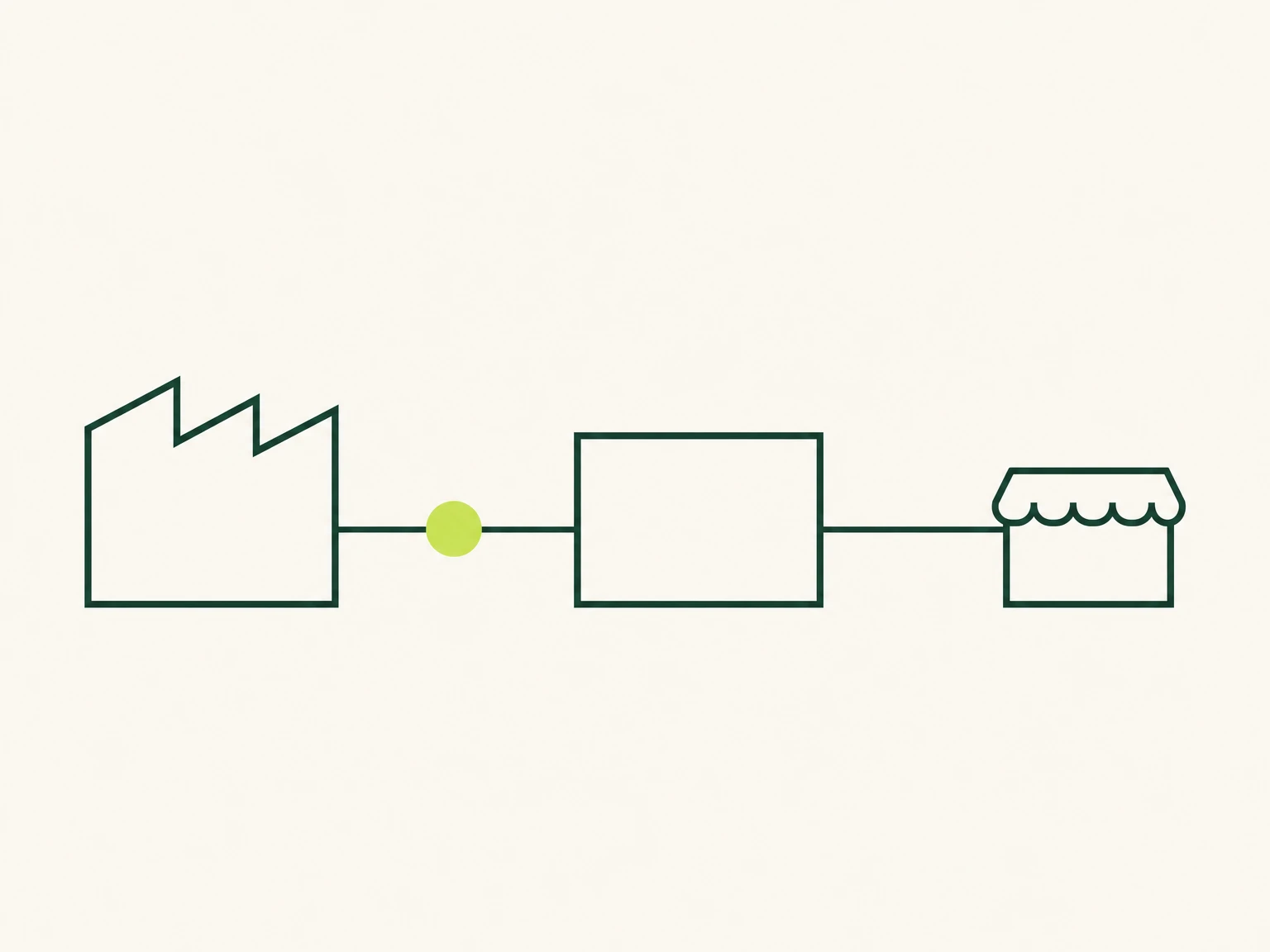
Every medicine sold in South Africa's private sector has one national price: the Single Exit Price, or SEP. The manufacturer sets it within the rules of the Medicines Act, it is registered with the Department of Health, and every pharmacy in the country buys and sells that pack at the same figure. Discounting is prohibited, and so is marking the medicine itself up.
Pharmacies earn from a regulated dispensing fee added on top. The fee is tiered to the medicine's price, which is why a small gap can appear between one chain's till price and another's even though the medicine price underneath is identical.
Prices also move once a year, not whenever a manufacturer chooses. The national Pricing Committee publishes an annual Single Exit Price Adjustment, a maximum percentage by which manufacturers may raise their prices. For 2026 that cap was 1.47%, down sharply from 5.25% in 2025. Manufacturers may take less than the cap, hold prices flat or cut them, but they may not exceed it.
For patients, the system carries one big practical meaning: nobody lawfully sells the same pen meaningfully cheaper. An offer that undercuts the regulated price by a wide margin is not a discount; it is a red flag.
How do you check the official price yourself?
You can look the regulated price up directly. The Department of Health publishes the Medicine Price Registry at mpr.gov.za, a public database of the Single Exit Price of every registered medicine in the country. Search the brand or active ingredient and the current price for each strength and pack size appears, along with the maximum dispensing fee a pharmacy may add.
Two practical notes. The registry shows the regulated price, not stock, so a phone call to the dispensary is still the way to confirm your strength is on the shelf and what the final till price will be. And the database moves as manufacturers adjust prices within the annual cap, so check the date on any figure quoted elsewhere before relying on it.
The registry is also the cleanest way to test a number you have seen on social media or a reseller site. If an asking price sits far from the registry figure in either direction, treat the seller with suspicion rather than excitement.
What is the Mounjaro price at Dischem and Clicks?
Both major chains stock the Mounjaro KwikPen, and because of the Single Exit Price system their prices track each other closely, typically within the R3,600 to R8,200 per-pen band by strength. Independent community pharmacies price in the same band.
Do not expect to see the numbers on the chains' websites. Scheduled medicines are not advertised to the public in South Africa, so product pages often carry no price. Phoning the dispensary is the reliable way to get the current figure for your strength.
Stock is the bigger practical difference between branches. Individual strengths go in and out of stock at branch level, so check both the price of your strength and whether it is available before you travel. We report chain pricing as market information only, not as an offer.
Courier pharmacies are a third option many people forget. Licensed courier services dispense against the same regulated price and deliver monthly in cold-chain packaging, which solves both the stock-hunting and the fridge-to-fridge transport problem in one step. Ask your doctor's practice which courier pharmacies it works with.
How does the cost change as your dose increases?
Plan for the cost to rise over your first six months. A typical schedule starts at 2.5 mg weekly for four weeks, then 5 mg, with further steps to 7.5 mg or beyond only if needed and tolerated. Each strength has its own pen price, so your monthly spend climbs with your dose. Ask your doctor what the likely path looks like for you, then budget for the strength you expect to hold, not the starting pen.
Worth knowing: many people do not need the maximum dose. Doctors often hold a middle dose where results and side effects balance, which also caps the monthly cost below the top of the range.
Side effects matter to the budget conversation too. Nausea, diarrhoea, constipation and vomiting are the common ones, usually during dose increases, and they are a clinical reason to step up slowly rather than race to a higher-priced pen. Mounjaro is not suitable in pregnancy or for people with a personal or family history of medullary thyroid cancer or MEN2 syndrome; a doctor screens for this before any treatment plan is confirmed. More detail in Mounjaro side effects: what to expect.
Does short stock change the price?
No. When a strength runs short, the price does not move, because the Single Exit Price makes surge pricing unlawful. The cost of a shortage is inconvenience: phoning branches, waiting a day or two for an order, or your doctor adjusting the plan to a strength that is available.
Individual KwikPen strengths do go out of stock at branch level, most often the middle strengths that many people hold for months. Pharmacies can usually order stock quickly, and the doctor managing your plan can advise whether waiting or adjusting makes more sense. Do not stretch doses or combine pens to bridge a gap without asking first.
Shortages are also when grey-market sellers get busiest, offering pens at prices detached from the registry figure. An unregistered seller does not become safer because a pharmacy shelf is empty. The full supply route, from doctor to pharmacy counter, is described in how Mounjaro prescribing and dispensing works in South Africa.
Does medical aid help with the Mounjaro price?
Usually not for weight management. Obesity is not a Prescribed Minimum Benefit condition, so most schemes exclude weight loss medicine from standard cover, and most people pay out of pocket. Some schemes do fund tirzepatide for type 2 diabetes under chronic benefits.
Scheme rules differ and are shifting, with Discovery publicly exploring wider access to this class of medicine. The detail, including how to query your own scheme and how savings accounts fit in, is in does medical aid pay for Mounjaro.
What goes into a medical aid motivation letter?
A motivation letter is the document a doctor writes to persuade a medical scheme to fund treatment it does not cover automatically. For tirzepatide, the letter's prospects depend almost entirely on the indication.
For type 2 diabetes, several schemes fund the medicine under chronic benefits, and the motivation is structured paperwork: the doctor completes the scheme's chronic medicine application with ICD-10 diagnosis codes, attaches supporting pathology such as HbA1c results, lists the treatments already tried, and the member applies for pre-authorisation. Approval then follows the scheme's formulary rules.
For weight management, most schemes list obesity treatment as a general exclusion, and no letter overrides an exclusion written into scheme rules. What a letter can do is support edge cases: some schemes assess weight-related applications individually where qualifying conditions sit alongside, and a well-documented motivation covering weight history, related conditions and previous attempts gives an application its best chance.
Ask your scheme for its criteria and exclusion list in writing first, so your doctor writes to the actual rules rather than guessing at them.
What other costs should you budget for?
The pen is not the whole bill. A realistic monthly budget includes the doctor's side of treatment: an initial assessment, follow-up reviews as your dose changes, and any baseline blood tests your doctor requests. Consultation fees vary by practice, whether that is a GP seen in rooms or a doctor-led telehealth service, so ask the practice for its fees when budgeting.
Also budget for pen needles and a sharps container if your pharmacy does not include them, and for the occasional extra consultation if side effects need managing. These are small line items next to the pen, but they add up over a year of treatment.
Budget on a yearly horizon rather than a monthly one. Treatment typically runs for many months, the dose usually climbs across the first half of the year, and trials show weight tends to return when treatment stops early. A budget that only works at the starting strength for three months sets you up to abandon treatment at exactly the wrong point.
For how Mounjaro's total cost compares with other treatment options in this class, see GLP-1 treatment costs in South Africa.
Can you manage the monthly cost down?
Within safe limits, yes. The dose decision sits with your doctor, but there is no clinical prize for reaching the maximum dose. If a middle dose is delivering steady progress with manageable side effects, staying there is both good medicine and lighter on the budget.
Medical savings accounts are worth checking. Even when a scheme declines the medicine as a benefit, many members can pay for it from their savings account at the till. Ask your scheme how it processes this before assuming you must pay cash.
One route to avoid: unregistered tirzepatide sold cheaply online, including compounded copies from unlicensed sellers. These products are not SAHPRA-registered, their contents are not verified, and SAHPRA has warned the public about them. A lower price does not offset an unverified medicine going into your body each week.
Finally, remember that prices move on an annual cycle under the Single Exit Price system described earlier, so a figure quoted a few months ago may already be stale. Check the date on anything you read, this article included.
Will generic competition bring the price down?
Not for tirzepatide yet, but competition is already moving published prices in the class. There is no SAHPRA-registered generic tirzepatide, and the patents protecting it run for years, so Mounjaro's price is set by one manufacturer within the Single Exit Price rules.
Semaglutide is a different story. SAHPRA approved South Africa's first generic semaglutide, from Sun Pharma, in July 2026, registered for type 2 diabetes, and the molecule's main patent expires in 2027, after which more entrants are expected. Research cited by Doctors Without Borders suggests generic semaglutide could be produced for a small fraction of current prices.
Competition between the originator manufacturers is visible too. Reuters reported in March 2026 that Novo Nordisk had cut Wegovy's South African price for the second time since launch, with the lowest dose falling from R3,090 to R1,873 and the highest dose dropping 27% to R3,746, a move widely read as a response to tirzepatide's market share. We do not sell medicine. Prices vary by pharmacy and dose; confirm with your pharmacy.
None of this guarantees a cheaper pen next year. But downward pressure across the class is real, and the annual price adjustment cycle is where any cut would first show up.
Is Mounjaro the most expensive option in South Africa?
It sits at the upper end. Published monthly costs for this class of medicine in South Africa mostly fall between R3,000 and R6,000, and Mounjaro's higher strengths push past that band. Semaglutide-based options generally publish lower monthly prices at standard doses, though the medicines are dosed differently, so a straight per-milligram comparison misleads.
Price is one input. Trial results, side-effect profile, availability and your medical history all belong in the decision, which is one a doctor makes with you rather than a price list. Availability and registration status are covered in is Mounjaro available in South Africa.
Frequently asked questions
How much does Mounjaro cost per week in South Africa?
It depends on the strength: the published per-week cost roughly doubles from the starting dose to the top dose. The attributed 2026 figures are in the price breakdown above; prices vary by pharmacy and dose, confirm with your pharmacy.
Why is Mounjaro so expensive in South Africa?
It is a patented originator medicine with no generic competitor, and higher strengths contain more active ingredient. The Single Exit Price system regulates the price but does not make it cheap.
Is there a generic version of Mounjaro in South Africa?
No. Tirzepatide is still under patent, so no SAHPRA-registered generic exists. Compounded copies sold online are not SAHPRA-registered and their quality is not assured.
Did the price change when the KwikPen replaced vials?
Per-week costs at published prices stayed broadly similar at equivalent strengths when the KwikPen replaced the launch vials; the pen simply packages four weekly doses. The attributed figures are in the article above.
Do Mounjaro prices differ much between pharmacies?
Not much. The Single Exit Price system keeps the medicine price uniform; small differences come from dispensing fees. Confirm the current price with your pharmacy.
Can a pharmacy charge more than the Single Exit Price?
No. The Single Exit Price is the only lawful medicine price, and a pharmacy may only add a regulated dispensing fee on top. Selling below it is not permitted either, which is why discounts on this medicine do not exist.
Where can you check official medicine prices in South Africa?
On the Department of Health Medicine Price Registry at mpr.gov.za, which publishes the Single Exit Price of every registered medicine. Add the regulated dispensing fee to estimate the pharmacy till price.
Does the Mounjaro price increase every year?
Not automatically. Manufacturers may only raise prices within an annual cap set by the national Pricing Committee, which was 1.47% for 2026, and they can also hold or cut prices, as has happened elsewhere in this class.
Sources
- News24: Which of the breakthrough weight-loss medicines can you get in SA?
- Department of Health: Medicine Price Registry (Single Exit Price database)
- Aspen Pharmacare: local availability of Lilly's Mounjaro
- Currency News: Discovery weighs up expanding access to GLP-1 medicines
- Government Gazette: Annual Single Exit Price Adjustment for 2026
- Spotlight: How medicines pricing works in SA and how it might change
- Reuters: Novo Nordisk cuts Wegovy price in South Africa for a second time
- Business Standard: Sun Pharma receives approval to launch generic semaglutide in South Africa
This article is general information, not personal medical advice. Treatment decisions are made by a registered doctor on assessment. Individual results vary.